
Does Toyota Accept Bitcoin? What Dealers Actually Offer
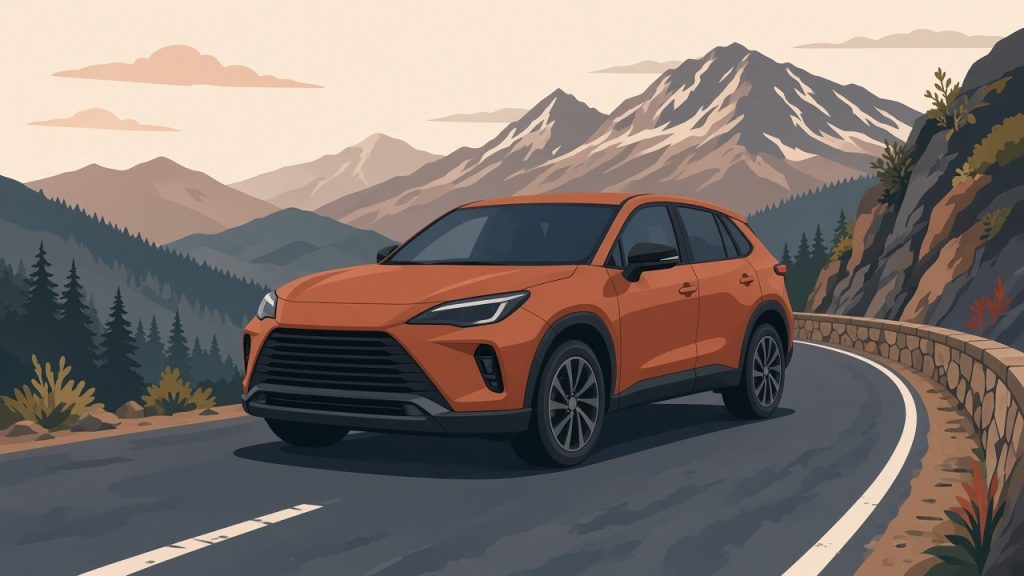
Toyota sells more vehicles in the United States than any other brand, so it is natural to ask whether you can pay with Bitcoin at signing. Like most major automakers, Toyota Motor North America does not run a corporate cryptocurrency checkout for retail customers. Payment at the manufacturer level flows through dealers, lenders, and lease companies in fiat currency.
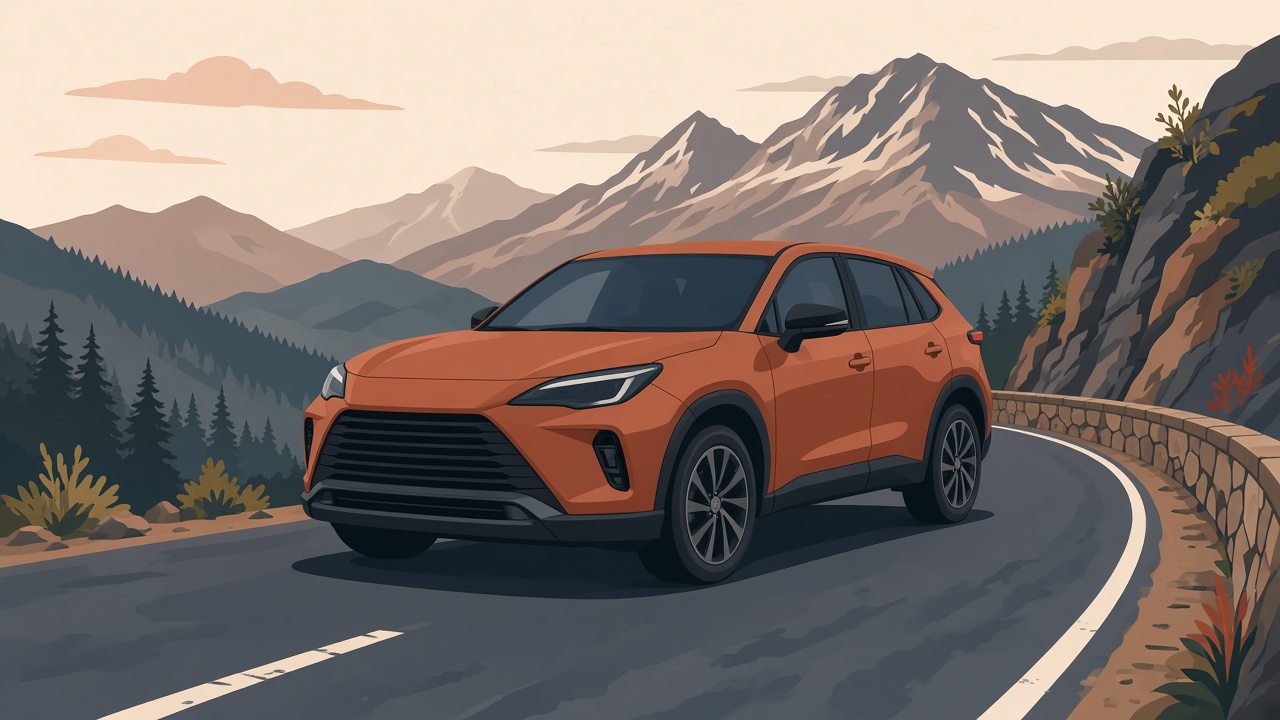
That said, individual Toyota dealerships — and some online sellers of used Toyota inventory — may accept crypto through third-party processors. This guide clarifies the corporate versus dealer distinction, outlines how a crypto deal would work for Camry, RAV4, Tacoma, and Tundra shoppers, and flags the risks worth addressing upfront.
Toyota Corporate Stance on Bitcoin
Toyota’s U.S. consumer website, Build & Price tools, and Toyota Financial Services programs operate in dollars. National incentives, lease specials, and APR offers assume traditional payment rails. Toyota has not announced a factory-wide Bitcoin acceptance program comparable to brief experiments some other automakers publicized in prior years.
Corporate treasury activity — how Toyota holds cash globally — is separate from what your local dealer can take at the closing table. Even if corporate finance teams hold digital assets for investment purposes, that does not automatically enable BTC payment on a new Tacoma.
Can Toyota Dealers Accept Cryptocurrency?
Yes, in principle, when a dealer chooses to integrate a licensed crypto payment gateway. Dealer groups set finance office policy. A store in one metro may accept stablecoins while a sister location ten miles away does not.
Questions to ask your Toyota dealer
- Do you accept cryptocurrency for vehicle purchases today, and through which processor?
- Which coins are eligible, and is the quote locked in dollars for a defined time window?
- Does paying with crypto affect eligibility for Toyota Financial Services financing or lease programs?
- Are ToyotaCare, extended warranty, and gap products priced the same when paying in coin?
- Will I receive a receipt showing the dollar equivalent and transaction reference for tax records?
Typical transaction flow
You negotiate an out-the-door price in U.S. dollars on the vehicle, fees, taxes, and any accessories. The processor converts that total into a crypto amount at the agreed rate. You transfer from your wallet; after network confirmations, the dealer records the deal as funded and schedules delivery or pickup. Title and registration follow state motor vehicle rules regardless of payment type.
Toyota Trucks, SUVs, and Towing Shoppers
Many HaulChart readers consider Toyota for dependable tow platforms — Tacoma and Tundra pickups, Sequoia and 4Runner SUVs among them. Crypto payment does not change tow ratings, payload math, or the need for a complete tow package.
Before you commit funds on-chain:
- Match your trailer weight to the rated capacity for your exact configuration and model year.
- Verify tow package equipment — hitch, wiring, cooler, controller integration — on the Monroney label or build sheet.
- Read our overview of what a towing package includes to spot incomplete setups on dealer lot inventory.
- If you need half-ton or heavy-duty headroom, compare numbers against charts such as Ford F-150 towing capacities before assuming a midsize Toyota meets your load.
Used Toyota and Certified Pre-Owned
Toyota Certified Used Vehicles sold at franchised dealers carry warranty benefits tied to authorized inspection programs. Crypto acceptance depends on the selling dealer’s finance policies, not the CPO badge itself.
Private sellers listing used Camrys or Highlanders may propose direct Bitcoin payment. Treat those deals like any private sale: escrow, lien check, pre-purchase inspection, and in-person title transfer. Toyota’s corporate office does not mediate peer-to-peer coin transactions.
Regional and Online Variation
Dealer experiments with crypto cluster in high-tech metros and markets with strong digital asset adoption. Rural stores may never adopt the option if customer demand stays low. Online aggregators that list Toyota inventory nationwide might advertise crypto checkout; verify which legal entity holds title and processes refunds before you deposit.
Risks Specific to Toyota Buyers
- Misinformation: Social posts claiming “Toyota accepts Bitcoin” rarely distinguish corporate policy from one dealer’s pilot program.
- Incentive stacking: Some regional cash offers exclude cash-equivalent purchases; clarify with the sales manager.
- Hybrid and EV models: High-voltage battery warranties transfer on used sales, but payment method does not affect coverage — documentation at signing does.
- Tax reporting: Spending Bitcoin on a Toyota likely counts as disposing of property for U.S. tax purposes; retain conversion records.
If Crypto Is Not Available at Your Store
Converting to dollars and using Toyota Financial Services or an outside lender remains the mainstream path. You preserve access to subsidized lease rates and simplified paperwork. Plan exchange withdrawals early — bank timing can delay delivery if funds are not settled before your appointment.
Debit cards and cashier’s checks still dominate Toyota finance offices. Crypto is an optional lane, not the default.
Bottom Line
Toyota does not offer a national Bitcoin payment option on its corporate consumer channels. Selected Toyota dealers may accept cryptocurrency through third-party processors, and you must confirm availability store by store. Whether you pay in coin or cash, choose the right vehicle for your driving and towing needs first.
For capacity charts, hitch basics, and haul-focused buying advice, explore HaulChart and follow work from Marcus Hale.
Related guides
 2000-2020 Toyota Tacoma Towing CapacitiesThe 2000-2020 Toyota Tacoma's are great trucks and well known for their off-road abilities…
 2000-2020 Toyota Tacoma Towing CapacitiesThe 2000-2020 Toyota Tacoma's are great trucks and well known for their off-road abilities,…
 2006 Toyota Tundra Towing CapacitiesEven though the newer trucks seem to have more and more towing capacity as…
 What Is Tongue Weight?The tongue weight is one of the most important limits to consider when towing…
 What Is GVWR? Everything You Need To KnowAll vehicles have something in common and it doesn't matter if you are driving…
 2006 Honda Ridgeline Towing CapacitiesThe 2006 Honda Ridgeline is definitely a smaller truck, especially when we compare it to some…