
Buy a Used Car With Bitcoin: Escrow, Dealers, and Private Sales
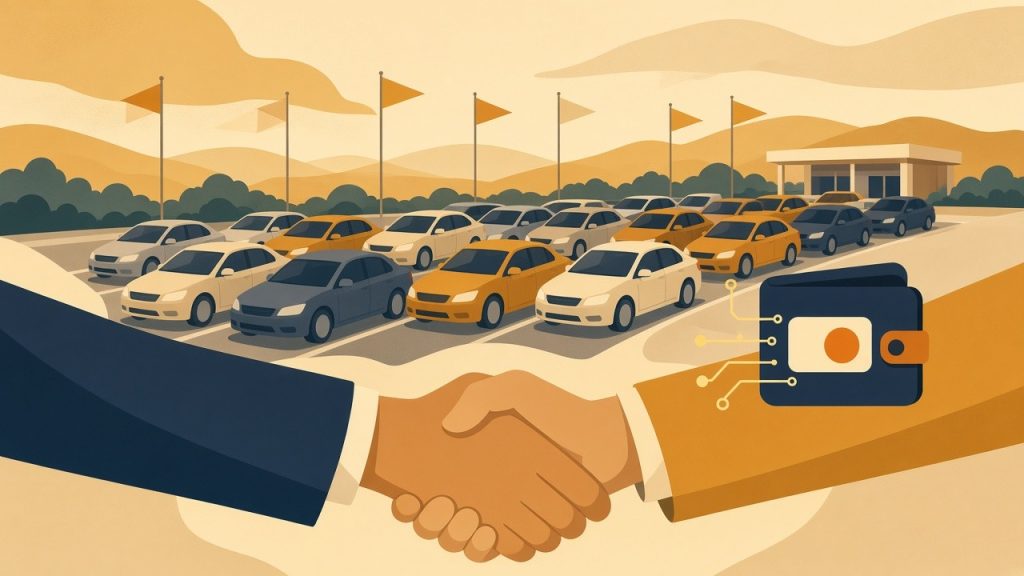
Used cars account for most vehicle sales in the United States, and they also show up frequently in cryptocurrency deals. Private sellers like the speed of on-chain settlement. Dealers like reaching buyers who prefer not to move large bank wires. The combination sounds efficient — until a title problem, odometer discrepancy, or wallet mistake turns the transaction into a cautionary tale.
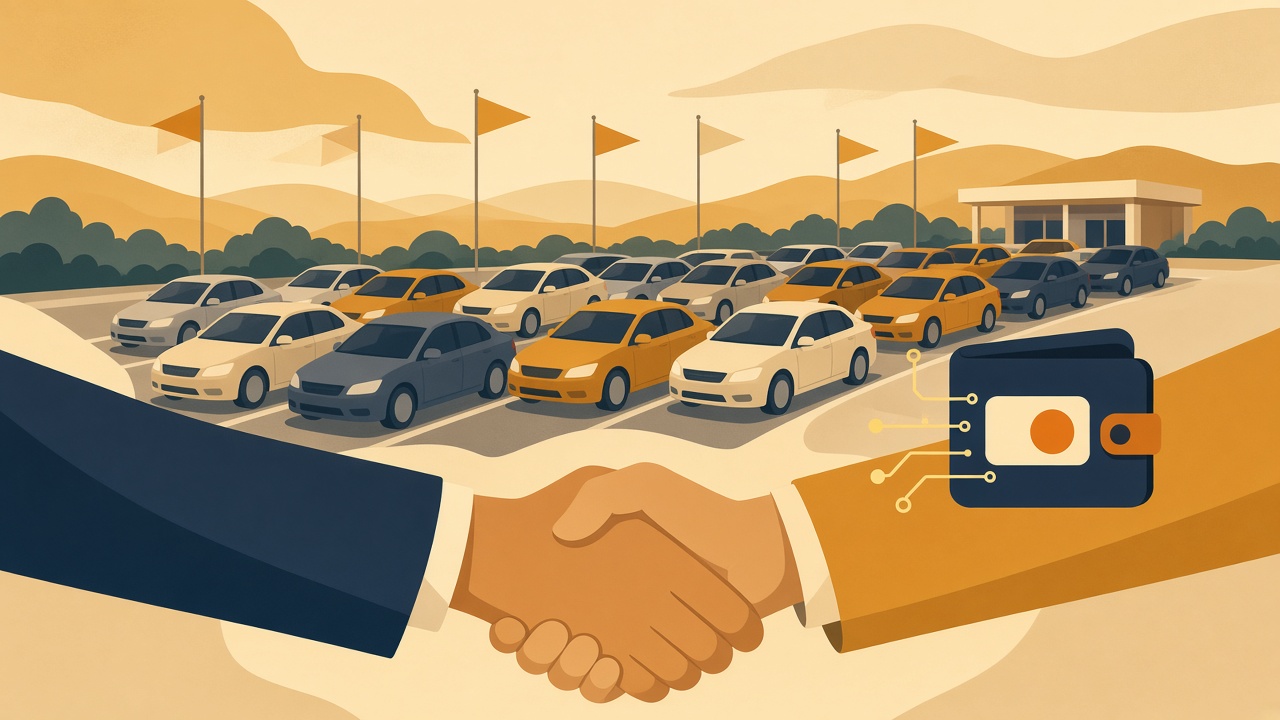
If you plan to buy a used car with Bitcoin or another digital asset, treat the coin as cash in an envelope: once it leaves your wallet, you need strong paperwork and verified trust on the other side. This guide compares dealer and private-party paths, explains how escrow fits in, and lists the inspection steps that protect you on a pre-owned purchase.
Used Car Crypto Purchases: Two Main Paths
Licensed used car dealers
Dealers that accept crypto typically route payments through a regulated processor. You agree on a price in dollars, receive a payment request with a time-limited coin quote, and transfer from your wallet. After confirmations, the dealer handles title assignment, temporary tags, and mandatory disclosures under state used-car laws.
Dealer purchases offer clearer recourse if something goes wrong with the payment itself, though they do not eliminate mechanical risk on a high-mileage vehicle. You still need an independent inspection.
Private-party sales
Individual sellers on classified platforms sometimes advertise “Bitcoin accepted.” These deals can offer better prices and flexible terms, but buyer protections are thinner. You are responsible for verifying liens, emissions compliance, and accurate mileage. Escrow becomes essential rather than optional.
How Escrow Works for Crypto Car Deals
Escrow holds the buyer’s cryptocurrency until both parties satisfy agreed conditions — usually title in hand, successful inspection, and signed bill of sale. A neutral third party releases funds to the seller when those milestones clear.
Choose an escrow provider with explicit automotive experience or a general reputation contract that covers vehicle sales. Read fee schedules, dispute timelines, and which coins are supported.
- Buyer and seller sign an escrow agreement naming the VIN, purchase price in dollars, and coin type.
- Buyer deposits crypto into the escrow wallet provided by the service — not an address the seller texts you.
- Seller delivers the vehicle and title documents for buyer review within the inspection window.
- Buyer approves release after a satisfactory test drive, inspection, and VIN match.
- Escrow sends crypto to the seller and documents the completed transaction for both parties.
Never skip escrow because a seller offers a discount for a “direct wallet transfer.” That discount is often the cost of fraud insurance you are giving up.
Dealer vs Private Party: Side-by-Side
- Title assurance: Dealers generally guarantee clear title; private sellers may unknowingly owe a lender.
- Return windows: Some states impose limited used-car return rights on dealers; private sales are usually as-is.
- Inspection access: Dealers may resist off-lot third-party inspection; private sellers often allow a mobile mechanic at your expense.
- Crypto pricing: Dealers lock dollar totals through processors; private parties may negotiate coin at spot on handshake day.
- Documentation: Dealers provide standardized forms; private deals need you to draft or verify bill of sale and odometer statement.
Pre-Purchase Inspection Checklist
Crypto payment does not change the fundamentals of used-car shopping. If anything, the irreversible transfer makes these steps more important.
History and paperwork
- Pull a vehicle history report using the VIN and compare accident entries to physical panel gaps.
- Verify the seller’s name matches the title and that no active lien holder appears.
- Confirm registration status and whether the car passes local emissions requirements.
- Match odometer reading to service records and history report timelines.
Mechanical and structural review
- Schedule a pre-purchase inspection with an independent shop — not the seller’s buddy’s garage.
- On trucks and SUVs, ask about transmission service if the vehicle towed regularly.
- Check for frame rust, flood signs, and mismatched paint on repaired panels.
- Test all electronics, ADAS features, and charging ports on hybrid and EV models.
Tow-ready used trucks
Buyers hunting a used tow rig should verify more than engine compression. Confirm the factory tow package codes on the build sheet or door sticker, inspect the hitch and wiring harness, and compare rated capacity to your trailer. HaulChart’s articles on towing packages and model guides like F-150 towing capacities help you spot underrated or incomplete setups before money changes hands.
Common Scams and Red Flags
- Seller refuses in-person inspection or VIN verification before payment.
- Price far below market with urgency to send crypto today.
- Vehicle is “out of state” and will ship after deposit — classic advance-fee pattern.
- Escrow website mimics a known brand but uses a slightly different URL spelling.
- Title photo shows white-out, mismatched fonts, or a salvage brand the listing omitted.
When in doubt, pause the deal. Good used inventory survives a 48-hour verification delay; scammers do not.
Tax and Record-Keeping
Buying a used car with Bitcoin can create two layers of tax relevance for U.S. residents. First, spending crypto may trigger capital gains or losses on the coin itself. Second, you still owe applicable sales tax or use tax on the vehicle transfer, usually calculated on the purchase price in dollars.
Save the escrow release statement, blockchain transaction ID, bill of sale, and inspection report. Your preparer needs the fair market value of the coin on the day of the spend, not just the car price.
Insurance Before You Drive
Bind coverage effective at the moment you take possession. Provide your insurer the bill of sale and VIN. If you paid well below book in coin, discuss whether agreed value coverage makes sense so a total loss payout matches replacement cost.
Putting It Together
Used car crypto purchases work when structure replaces trust alone. Dealers offer cleaner payment rails; private parties can offer better prices if escrow and inspection discipline stay non-negotiable. Either way, the vehicle’s mechanical truth matters more than the novelty of paying in Bitcoin.
Do the same homework you would for a cash deal, then add the crypto-specific safeguards: locked quotes, reputable escrow, and immutable receipts. For tow-focused used truck shopping, lean on HaulChart capacity references and guidance from Marcus Hale before you commit.
Related guides
 Buy a Car With Crypto: Dealerships, Process, Risks, and Tax NotesPaying for a vehicle with Bitcoin or another cryptocurrency is no longer a novelty…
 What Is Tongue Weight?The tongue weight is one of the most important limits to consider when towing…
 What Is GVWR? Everything You Need To KnowAll vehicles have something in common and it doesn't matter if you are driving…
 Honda Odyssey Towing Capacities From 2000-2020The Honda Odyssey minivan has been around for many decades now and I was…
 2010 Hyundai Santa Fe Towing Capacities (With Charts)The 2010 Hyundai Santa Fe still remained unchanged, for the most part, from some…
 2005 Ford F-250 Towing Capacities (With Charts)The 2005 Ford F250 had a very impressive towing capacity attached to it, similar…