
Toobit Exchange Review 2026: Fees, KYC Limits & Withdrawal Complaints

In January 2026, Toobit — a Cayman Islands-registered exchange that only launched in October 2022 — announced a regional marketing partnership with LaLiga for the MENA region, the kind of sponsorship deal that typically signals real institutional ambition and a serious marketing budget. The same exchange had already picked up "Best New Exchange" honors at the Crypto Awards 2025, a publicly voted industry event. On paper, that’s a fast, credible rise. Pull up Toobit’s Trustpilot page, though, and a different picture starts to form — one worth understanding before the sponsorship headlines do all the talking.
What Toobit Actually Offers
Toobit runs a fairly standard centralized exchange product set for a platform its age: spot trading, perpetual futures with leverage, copy trading, and more than 100 supported coins. One detail stands out as genuinely distinctive — its copy trading feature doesn’t require KYC verification to use, letting users mirror other traders’ positions while opening and closing their own without submitting identity documents, a structure most competitors don’t offer at that permission level.
The platform also dabbles in forex futures alongside crypto derivatives, a small but deliberate signal that Toobit is angling to pull in some traditional-finance trading volume rather than staying purely crypto-native — P2P trading, meanwhile, runs with zero commission on matched trades.
Fees: Competitive, Not Remarkable
Toobit’s pricing sits squarely in line with the broader mid-tier exchange field, neither a standout bargain nor an outlier on the expensive side.
| Market | Maker fee | Taker fee |
|---|---|---|
| Spot trading | 0.075%–0.10% | 0.10% |
| Perpetual futures | 0.02% | 0.06% |
| VIP tier 6 (futures) | 0.006% | 0.03% |
| P2P trading | 0% | 0% |
Crypto deposits are free, and on-chain withdrawals carry the standard network fee — a Bitcoin withdrawal, for instance, runs around 0.0004 BTC. Compared directly against Binance (0.02%/0.05% on futures) or Bybit (0.02%/0.055%), Toobit’s taker fee runs a touch higher at the entry level, though the gap narrows and often reverses at higher VIP tiers, and the exchange regularly runs zero-fee promotions on major pairs like BTC/USDT to offset the difference.
The KYC Structure, and Where the Limits Actually Bite
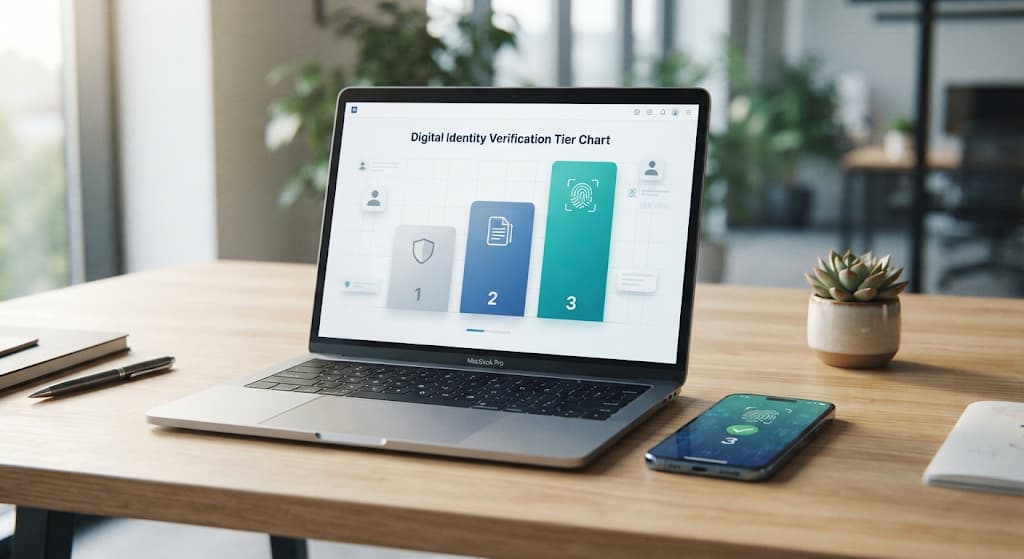
Toobit doesn’t require mandatory identity verification for most users, though that changes for residents of certain high-compliance jurisdictions where it’s enforced regardless of trading size. For everyone else, KYC functions as a withdrawal-limit gate rather than an access requirement: unverified or basic-tier accounts can withdraw up to 5 BTC per 24 hours, while advanced verification — which requires submitting ID documentation — raises that ceiling to 50 BTC per day.
That’s a generous no-KYC threshold by industry standards, well above what BloFin or Grovex offer at their equivalent tiers, and it’s one of the platform’s more genuinely attractive features for traders who prioritize speed of onboarding over verification depth.
Where the Trustpilot Record Gets Uncomfortable
This is the part the sponsorship headlines don’t cover. As of early 2026, Toobit’s Trustpilot profile sits around a 2.8 TrustScore — labeled "Average" — built on more than 100 reviews, which is enough volume for genuine patterns to emerge rather than a handful of isolated complaints. Independent reviewers who’ve dug into that review set specifically flag a recurring theme: withdrawal friction and account restrictions that cluster disproportionately around users reporting they’d recently turned a profit, with complaint volume concentrated across 2025 and into early 2026 rather than fading as the platform matured.
Toobit hasn’t disclosed any major wallet breach, and it has engaged Hacken for security assessment work, which are both genuine positives worth weighing against the complaint pattern rather than ignoring. But the exchange’s regulatory footing leans on Cayman Islands incorporation and standard money-services-business registration rather than a consumer-protection-focused license of the kind Kraken or Gemini hold in their home jurisdictions — meaning a user with a withdrawal dispute has meaningfully less regulatory recourse than they would at a more heavily licensed platform.
Reading the Sponsorship and the Reviews as One Picture
A LaLiga partnership and a "Best New Exchange" award are real signals of growth and industry visibility — they’re not fabricated, and they suggest Toobit has genuine capital and ambition behind it. They’re also not substitutes for a clean withdrawal track record, and the two things can be true about the same company at once: a platform can be investing seriously in brand-building while still working through operational friction that’s leaving a measurable trail of frustrated users behind it.
For anyone weighing whether to open an account, the practical approach is the same one worth applying to any mid-tier exchange riding a fast growth curve: start with an amount small enough that a withdrawal delay wouldn’t be a real problem, test that the process works cleanly end to end before scaling up, and read the recent Trustpilot complaints yourself rather than taking either the glowing marketing or a single critical summary as the full picture. A sponsorship deal tells you where a company wants to be seen. A support ticket history tells you how it actually behaves when something goes wrong — and on Toobit, right now, those two stories aren’t quite telling the same version of events.
Coverage like this — checking a platform’s marketing against its own review record — is Wes Ibarra’s usual beat.
Related guides
 What Is Tongue Weight?The tongue weight is one of the most important limits to consider when towing…
 What Is GVWR? Everything You Need To KnowAll vehicles have something in common and it doesn't matter if you are driving…
 Coinbase Review 2026: Fees, Security & What Beginners Should KnowAn honest look at Coinbase in 2026 — real trading costs, what the May…
 2016 Hyundai Santa Fe Towing CapacitiesThe 2016 Hyundai Santa Fe was quite capable when it came to overall towing…
 2000-2021 Ford Expedition Towing Capacities Resource GuideThe Ford Expedition is a popular family car and it has a lot of…
 Ford Category PageTrucks: Here's a list of all current articles I have on my website about…